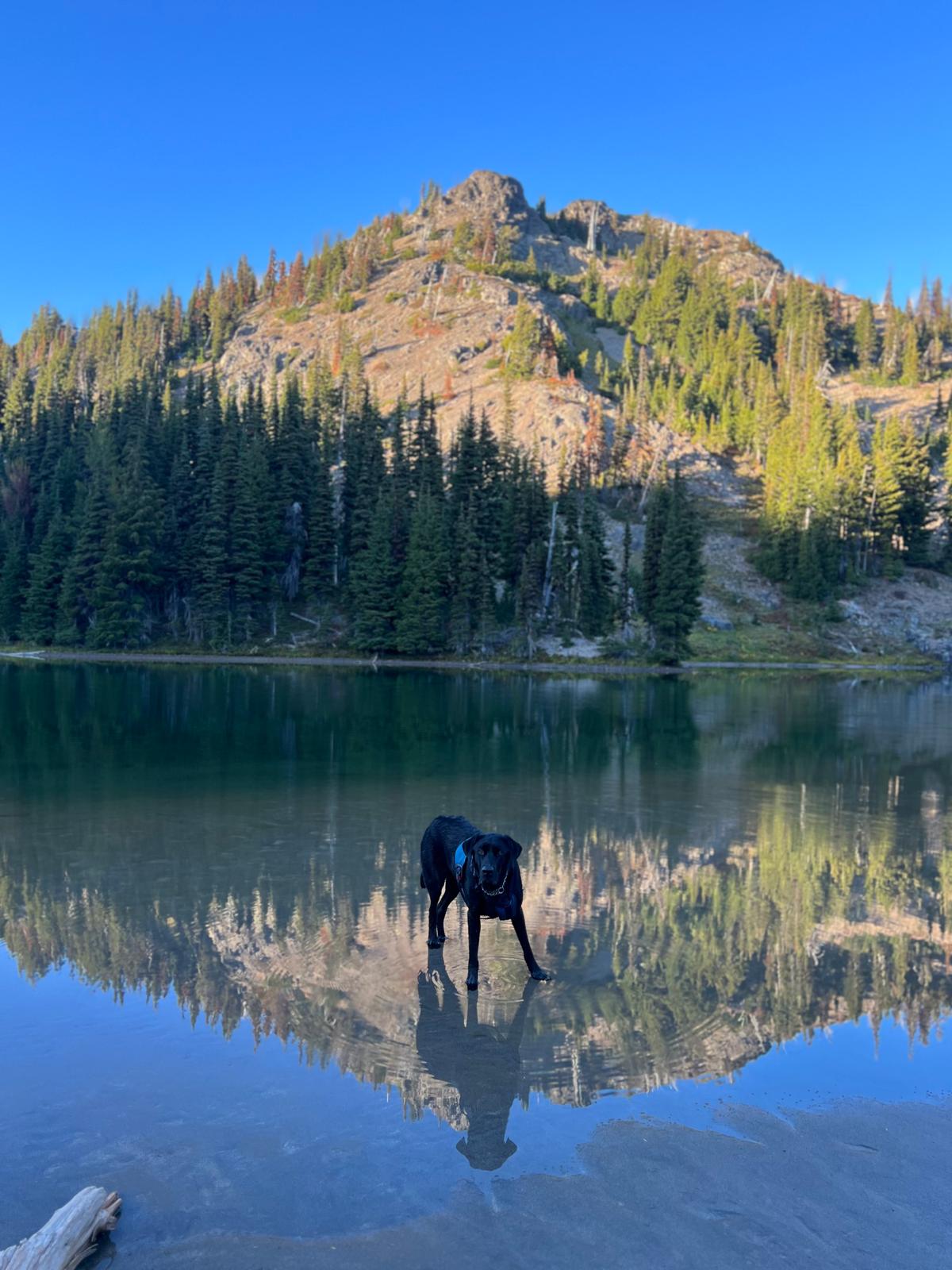
Sniffing out solutions for the environment.
.jpg)

.jpg)


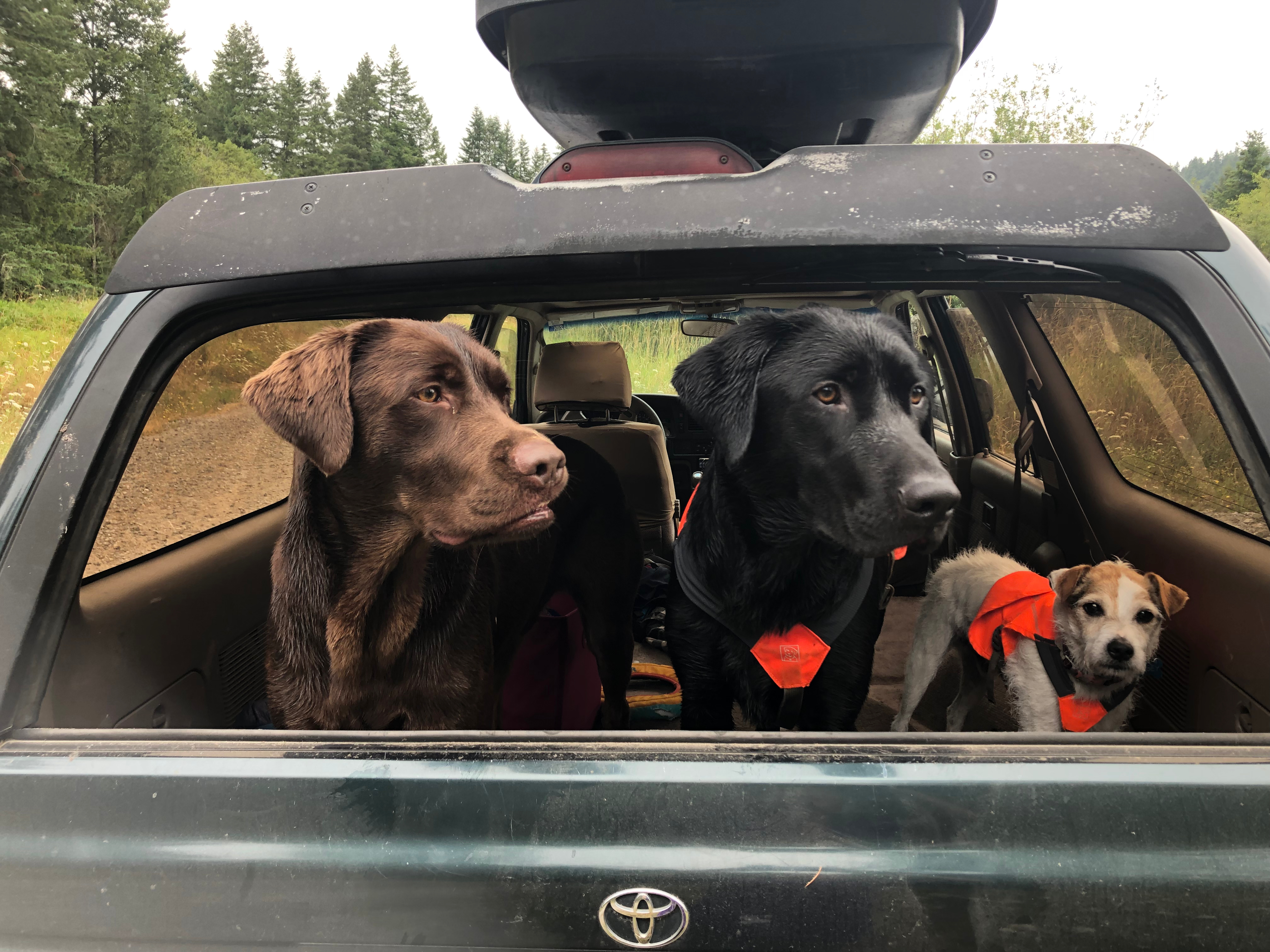
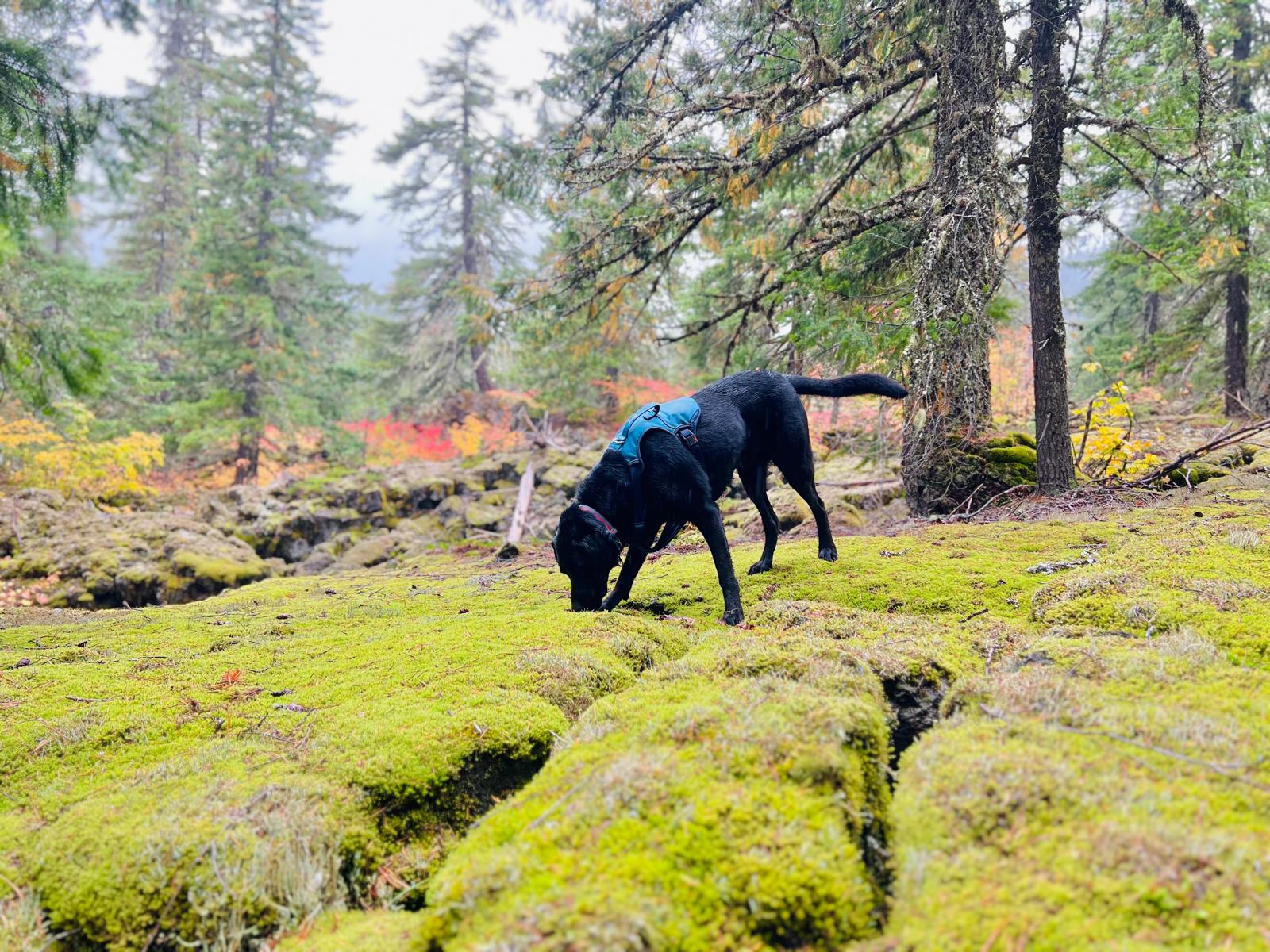
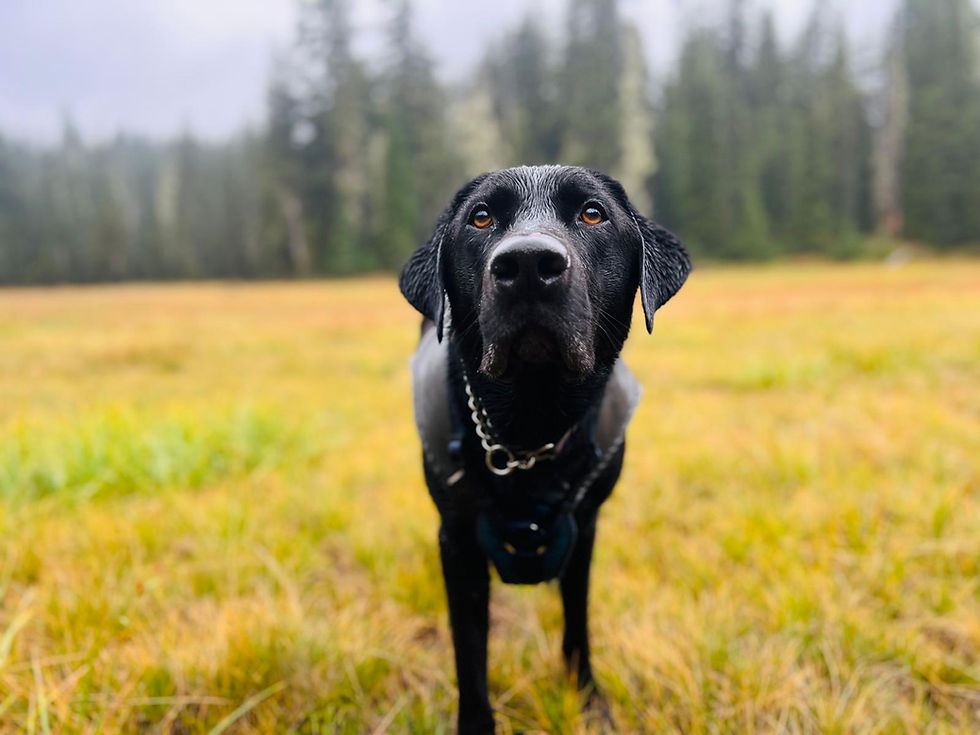
Our environmental research utilizes the remarkable sense of smell possessed by humans’ oldest ally—the dog.
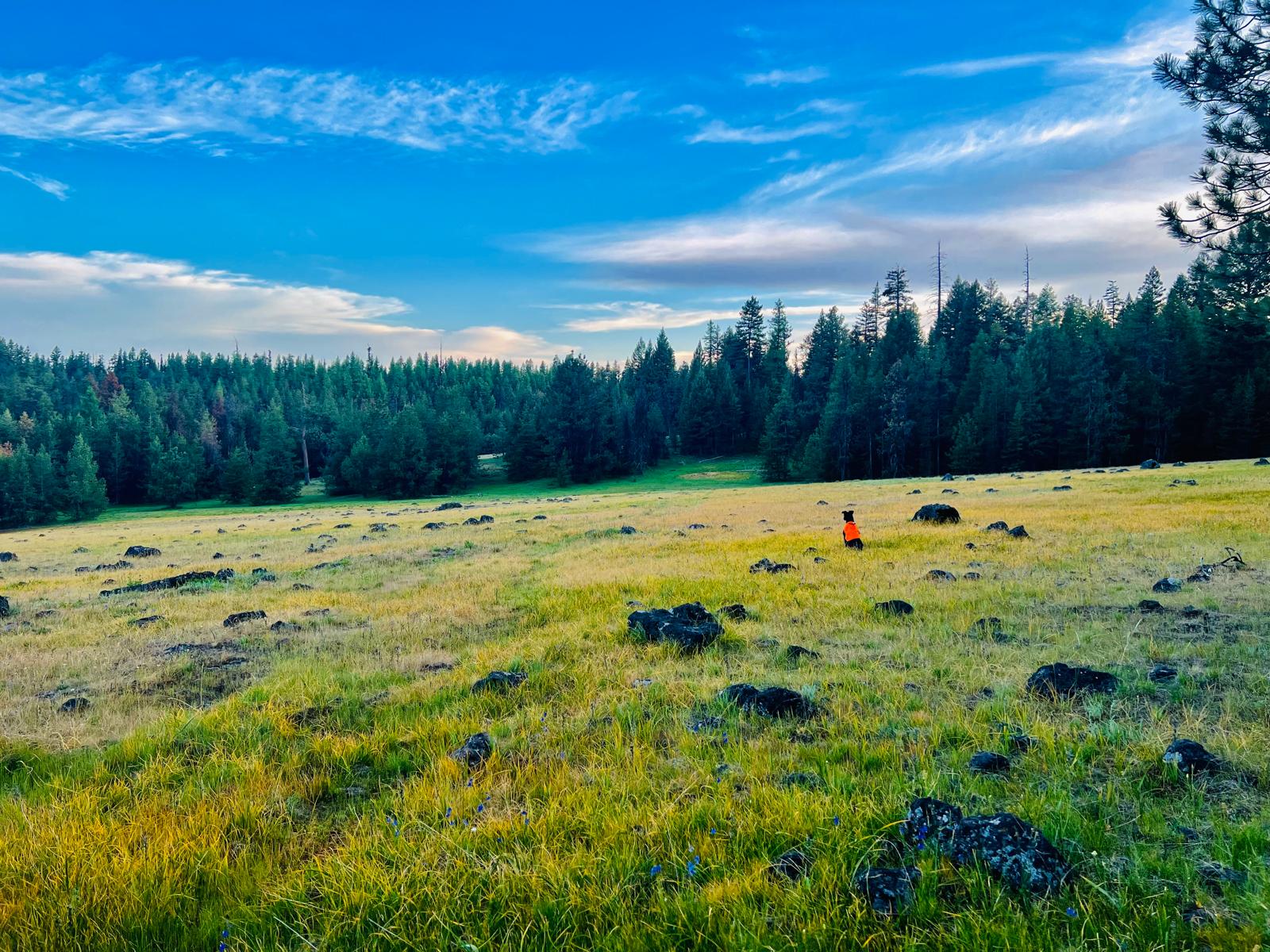
We assist researchers in locating hard-to-find research targets—from rare plants and animals to environmental pollutants like PCBs. Our work pushes the boundaries of traditional detection work, offering innovative, non-invasive tools to support ecological conservation and pollution source tracing.
Our Services

.jpg)

Pioneers in PCB Scent Detection
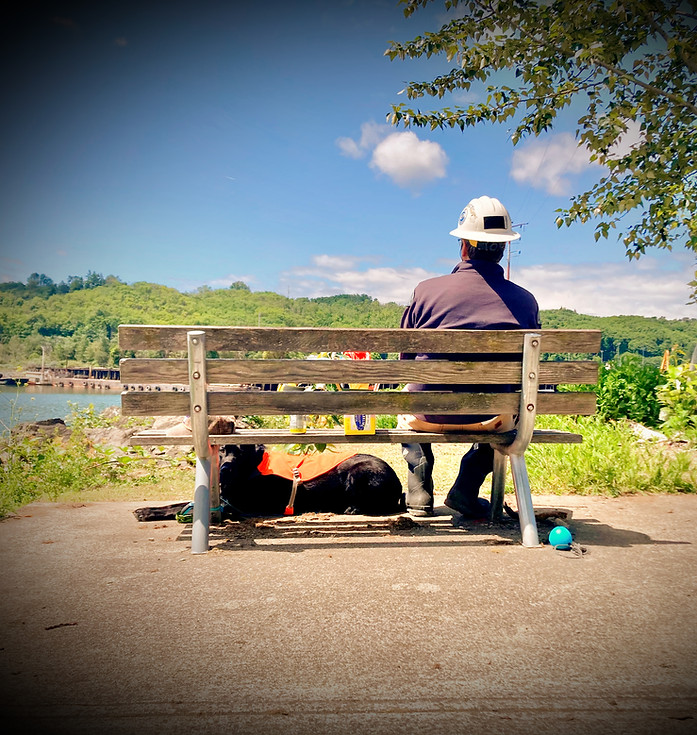
The PCB detection method was pioneered in 2016 by Julianne, Sampson and Seattle Public Utilities (SPU). This project verified that dogs can reliably detect PCBs at levels below 0.1 parts per million, demonstrating the potential for detection dogs to be an effective tool in streamlining PCB source tracing efforts.
FieldLab continues to work with UW and SPU to optimize pollution source control efforts. We offer consultation services to companies and agencies interested in designing a detection dog pilot study, as well as local half-day or full-day canine surveys for clients looking for reliable PCB detection services.
Non-invasive Wildlife Research
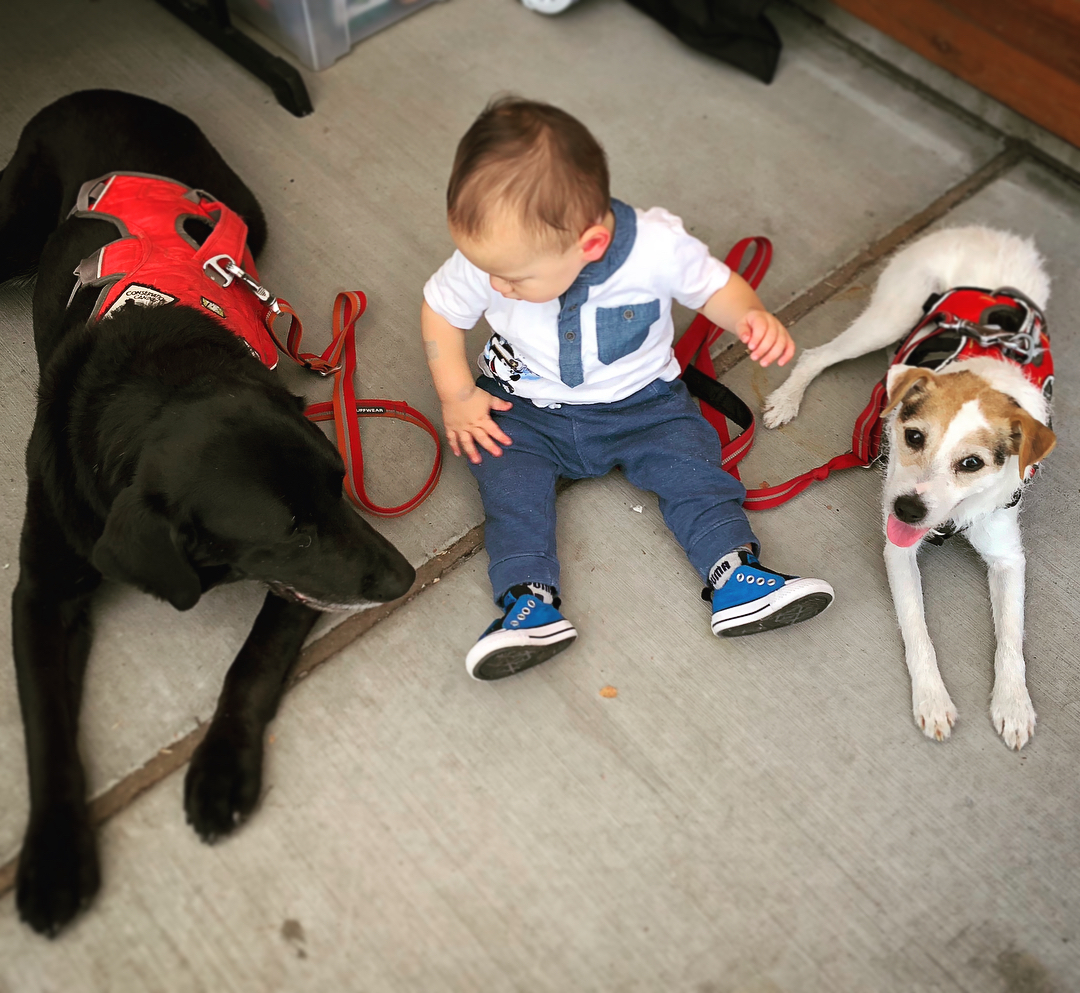
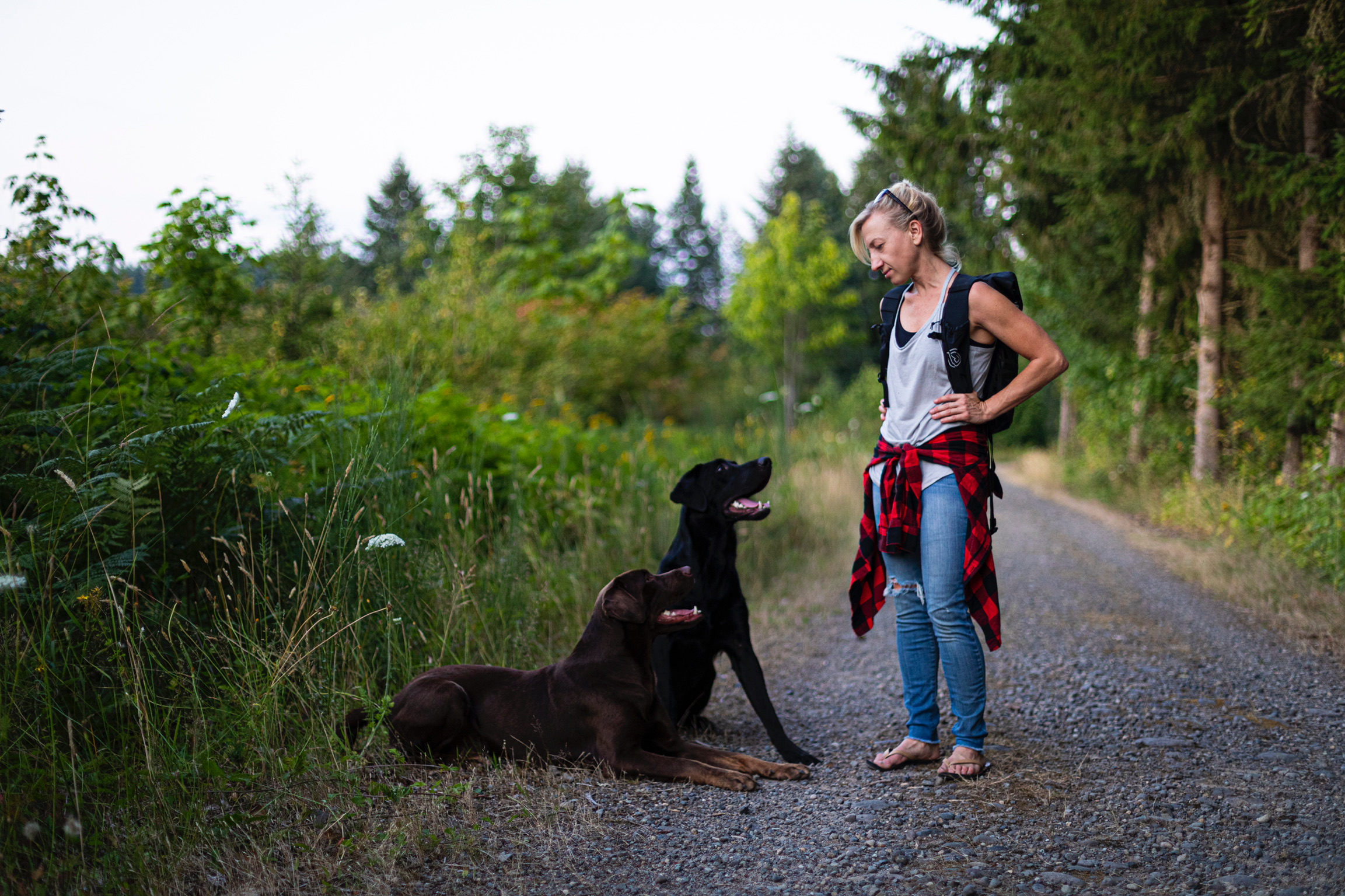
Julianne Ubigau began her career with environmental detection dogs in 2006 as a handler with the University of Washington's Conservation Canines. For the next decade, she and her canine cohort, Sampson, embarked on various projects throughout North America, locating genetic information on a wide range of wildlife species such as wolves, pocket mice and salamanders.
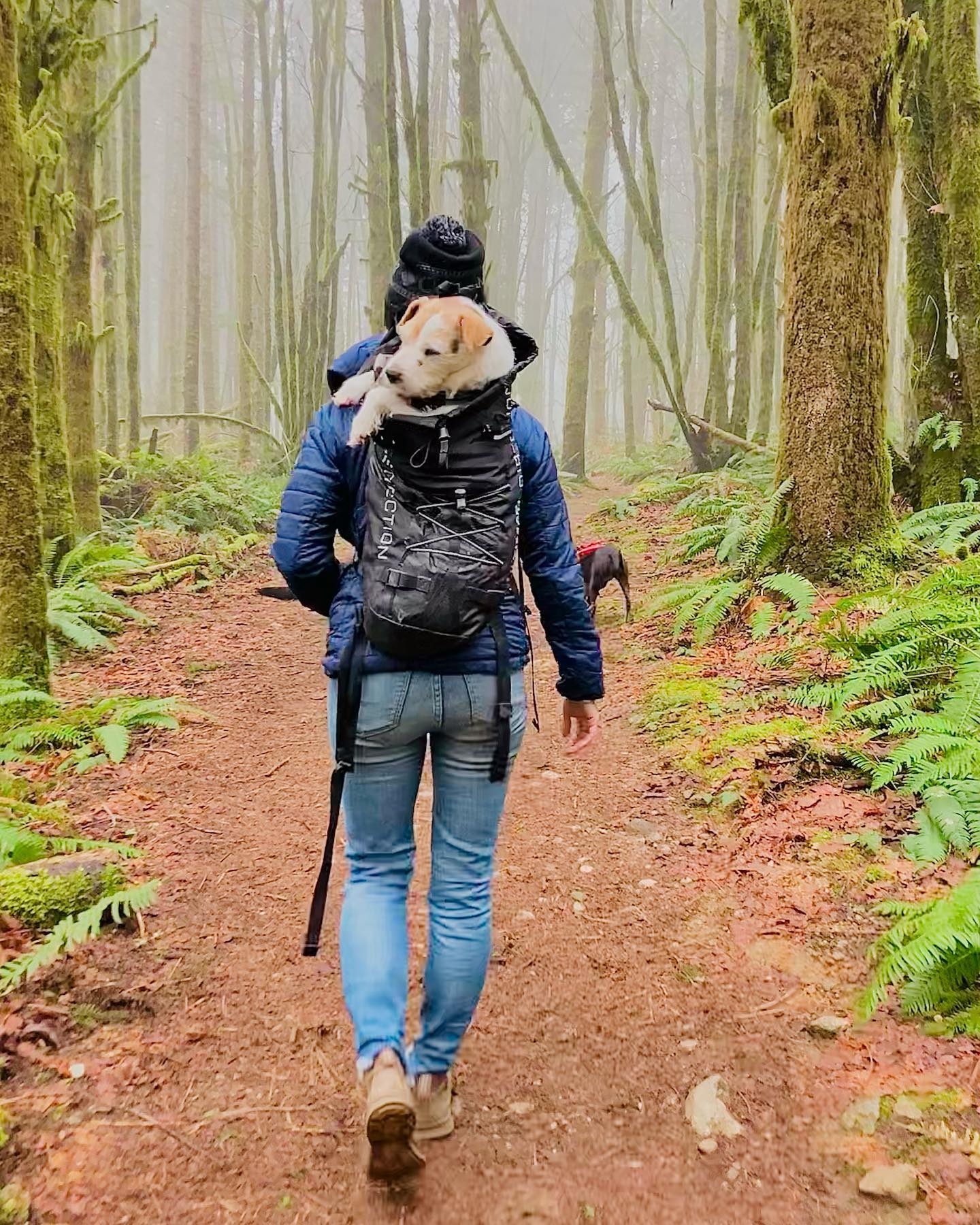
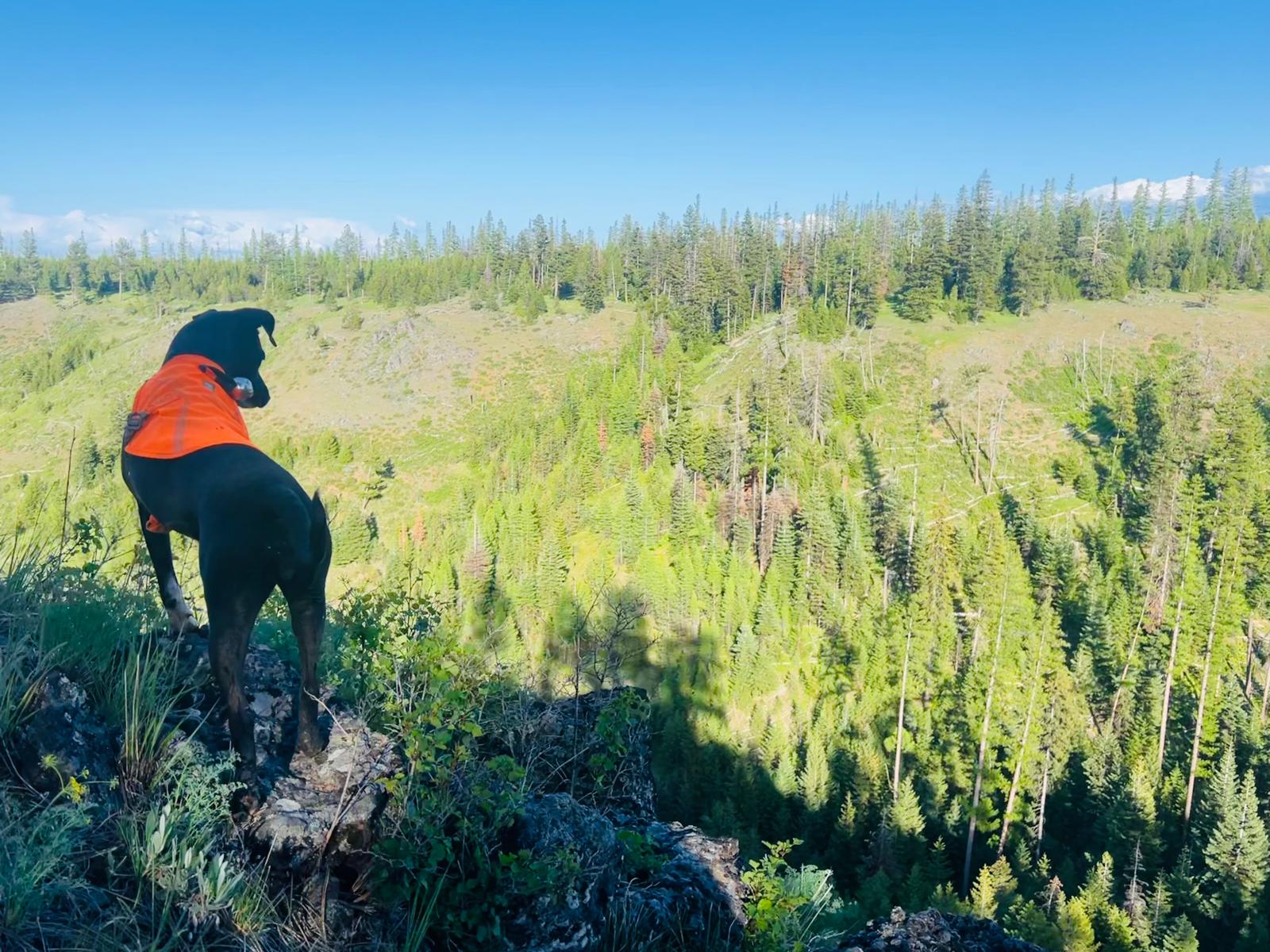
Today, Julianne continues her work with Jasper, monitoring wolf populations in Washington and other carnivores by collecting scat for genetic and hormone analysis.
.jpg)
Science Communication and Outreach
When not in the field, you can find Julianne and Jasper in the classroom, sharing their interest in science with students and the community.
FieldLab strives to incorporate outreach education opportunities into all of her research endeavors. Julianne has a Master's in Teaching, experience as a secondary science educator, and is the co-author of the children’s book called Pooper Snooper. Together, Julianne and Jasper make an incredible duo, thrilled to share their passion for the science with everyone they meet.


.jpg)

.jpg)

.jpg)
.jpg)